 simba
simba6 things I wish someone had told me when I started playing CS2
When I first started playing Counter-Strike, it was in large public servers with a ton of mods, custom skins and many loud men screaming over the microphone. It was hardly a competitive environment, but I was hooked. Years later, I tried CS:GO at a friend’s house shortly after its release, and it immediately became the game I played the most.
I didn’t start with the intention to play competitively, but I became enchanted by the esports side of the game in late 2013, and that’s when I started playing with the intention to get better. I didn’t know about ESEA, I had no idea how far back the game’s history went, and I certainly wasn’t very good when I started, but after more than a decade of climbing the ranks in ESEA League, FACEIT PUGs, and, of course, Valve matchmaking, I’ve learned some crucial lessons about CS that are universal. I’d be remiss to call it “wisdom”, but these are the 6 things I desperately wish someone had told me when I started playing.
Don’t change your settings so much
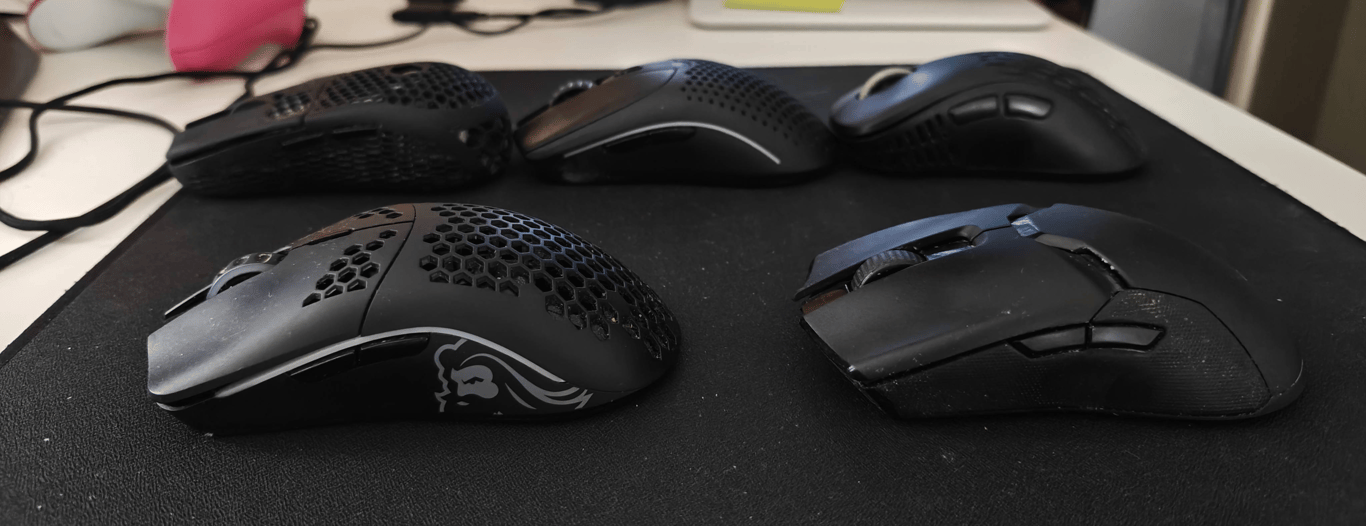
One of the biggest traps that players fall into is changing settings too much. This isn’t just referring to sensitivity; it’s your resolution, mouse skates, keyboard switches, and basically anything else about your setup.
The goal of your settings should be to make them as unnoticeable as possible. You shouldn’t be thinking about your keyboard when performing a counter-strafe, or your mouse when performing a flick. Everything should feel like an extension of your body with as little “interference” as possible.
Of course, this starts with a good foundation. If you’re still trying to find what’s comfortable for you, you should definitely tweak as you go. Play a few matches or some DM and feel it out. Everyone also has different optimal windows for each setting. For example, I might be able to tolerate a wider range of sensitivities comfortably, while the next person may struggle if it’s off by even 0.05.
I made the mistake, during my time competing, of making small adjustments weekly, and all it did was introduce inconsistency to my game. Once you do find what’s comfortable for you, keep it. Stick with it for as long as it feels right to, or if there’s a direct upgrade, like jumping from 144Hz to a 240Hz+ panel.
Learn the difficult nades
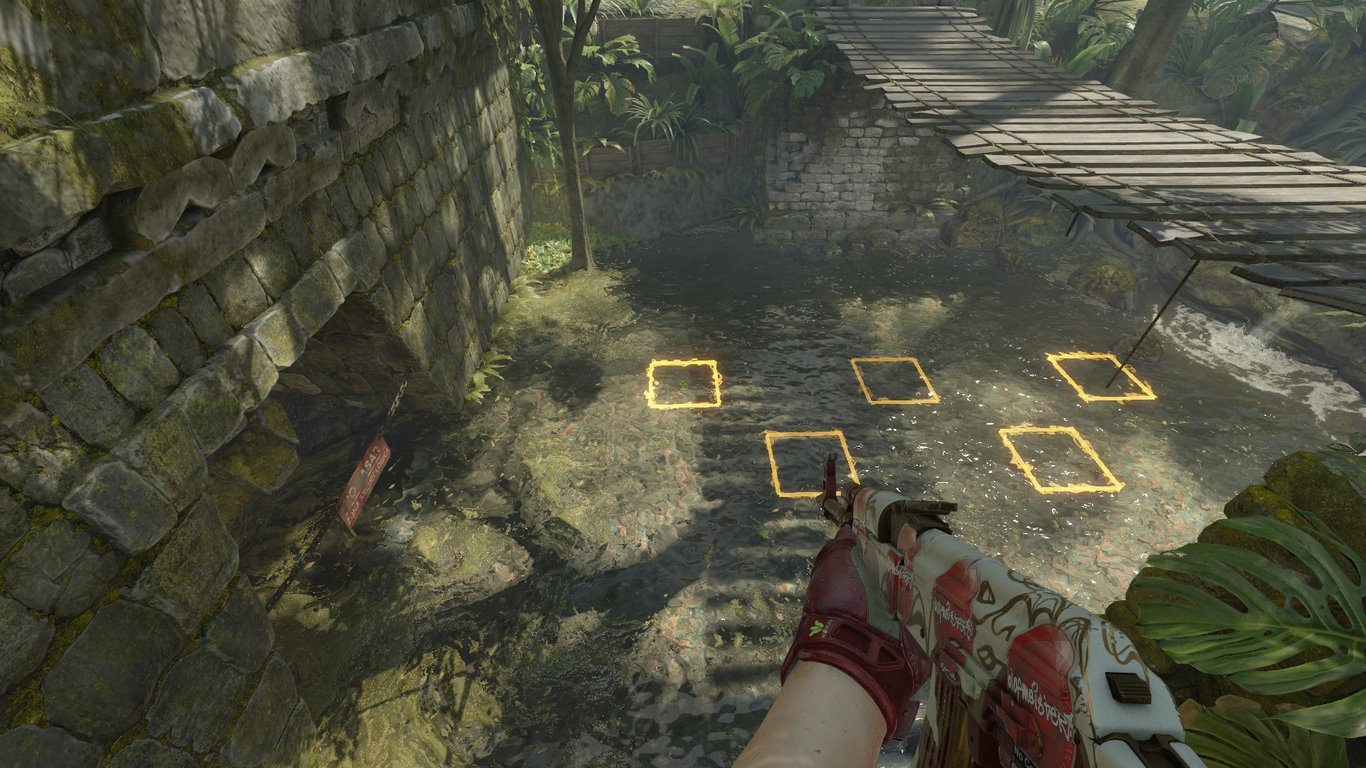
One of the things I regret most was not taking the time to take utility more seriously. I thought of myself as a fragger, or “star” player. On the teams I played on, I occupied positions that didn’t typically demand a high degree of utility knowledge, and that only held me back the further I climbed the ladder.
Things like complex running jump-throws and spawn smokes were things I simply refused to learn. As a result, I became a liability to my teammates in certain rounds. Sure, you can drop grenades now, but there always came a time where it would be most optimal for me to throw the nade, and not being able to does make things more difficult.
Suffice to say: if you’re putting off learning difficult nades because of the time it takes, or you find learning utility “boring”, just know that it is essential in order to climb the ranks, both in team CS and PUG CS.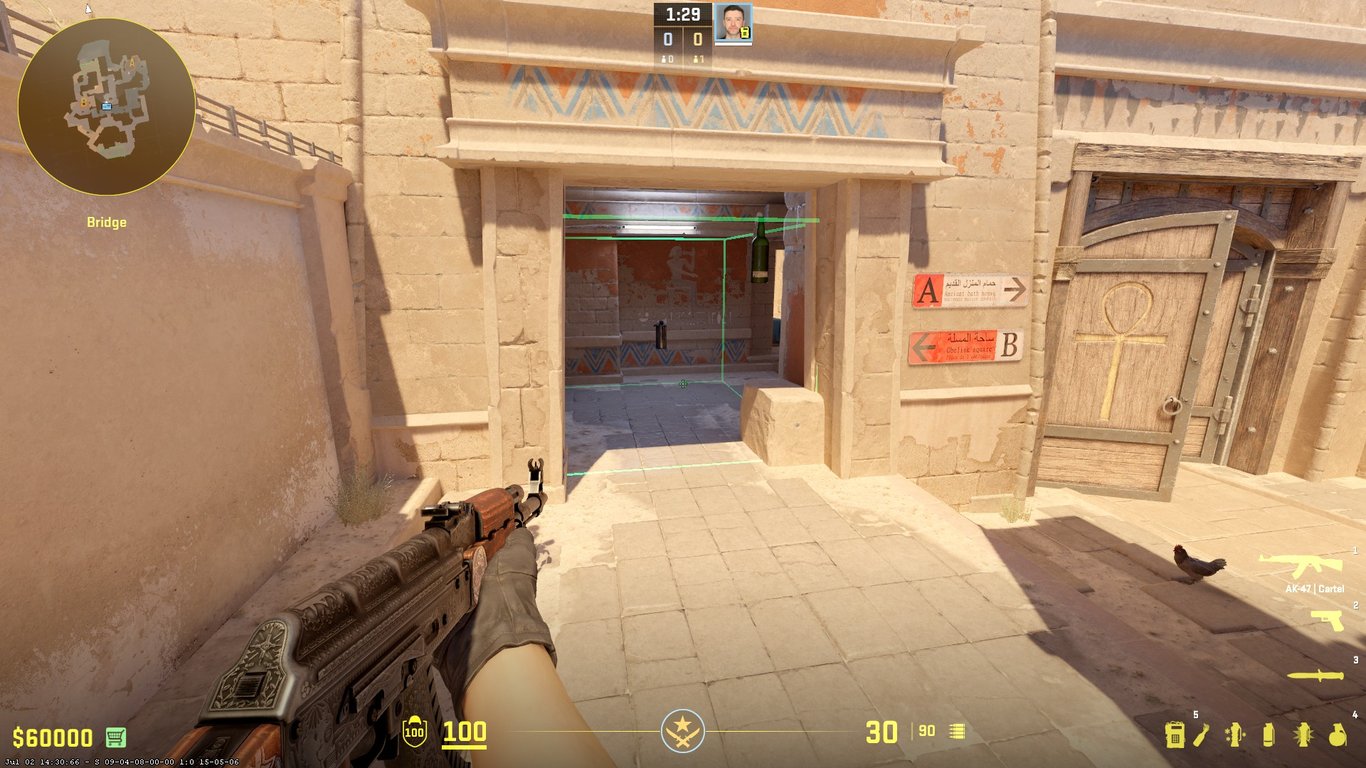
NADR is a great way to learn difficult grenades, and has hundreds of pre-loaded lineups for you to learn, so you can have complete utility knowledge of all the maps in the pool. It’s a tool I truly wish I used more when I competed.
It’s OK to make mistakes
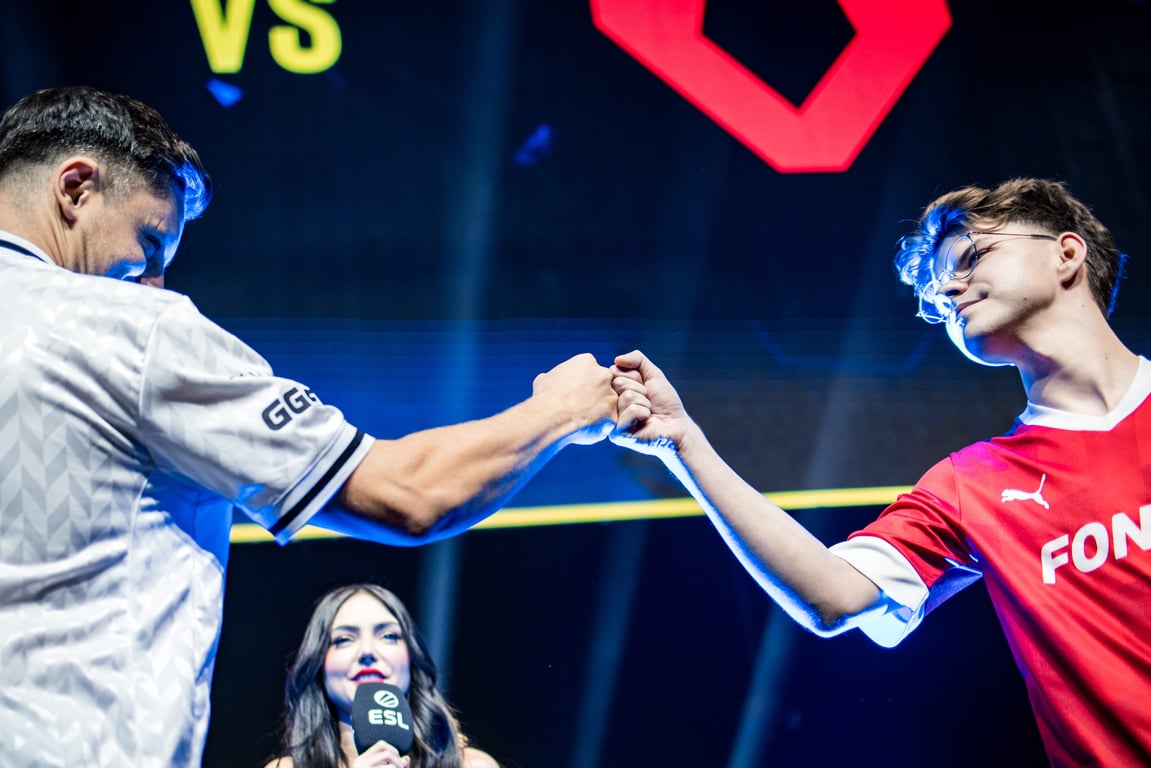
ELO will come and go in the short term; what matters most is steady improvement over time. The only way to truly know you’re improving is by making mistakes, which you’re going to be doing a lot of when you’re first starting to play. At the earlier skill levels, you’ll be making all kinds of mistakes, and most of them you won’t recognize, but as you improve, you’ll begin to zero in on what exactly is a mistake, and what is a calculated risk that didn’t pay off.
Those two things are very different, and only great players can tell the difference all of the time. You’ll undoubtedly receive a lot of strife from your PUG teammates about mistakes you made, but what’s important is that you do your best to learn and take it in stride. If the player giving the criticism is doing so constructively, and (more importantly) is of a higher skill level than you, it’s probably worth listening to, and also worth attempting to implement their advice.
There were plenty of times during my playing days when I would discard criticism from others when it was probably worthwhile to listen. There were also plenty of times when getting an earful in a PUG was just useless noise, but I wasn’t fully honest with myself as to where the line was drawn. As long as you make a real effort to investigate your mistakes and rectify them, making a ton of them can only help your game in the long run.
Relish in the chance to play against better players
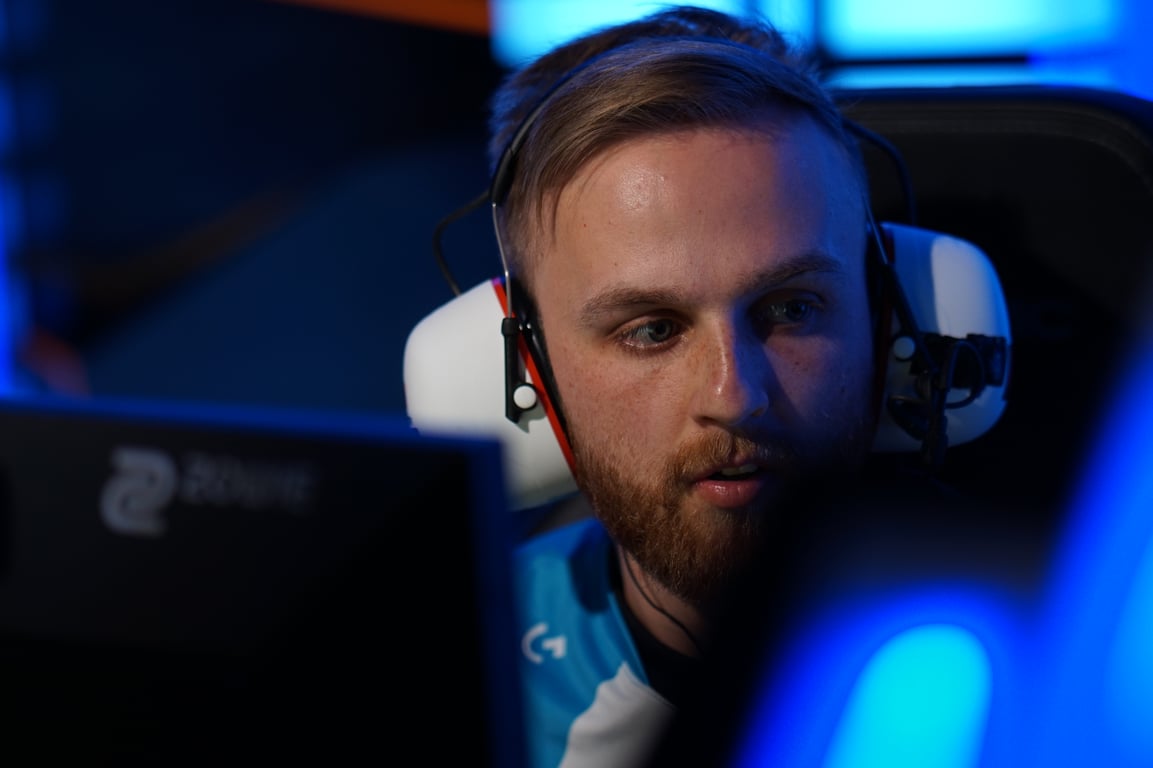
Getting the chance to play against a team or player better than you in a cup tournament, on LAN, or even in a PUG is an opportunity, and should be considered a privilege. Personally, I always loved the chance to play with, and especially against better players, because it felt like I was getting to measure my game against theirs.
Unfortunately, I see a lot of negative sentiment around this today, mostly among amateur players. For these players, the thought of having to play against a 5-stack of people who are much higher in Elo, or running into a salaried team in a cup bracket, is something to complain about, rather than an opportunity.
In any discipline, you don’t get better by operating well within your abilities. You get better by trying to push beyond them, and playing with and against players better than you is what does that in Counter-Strike.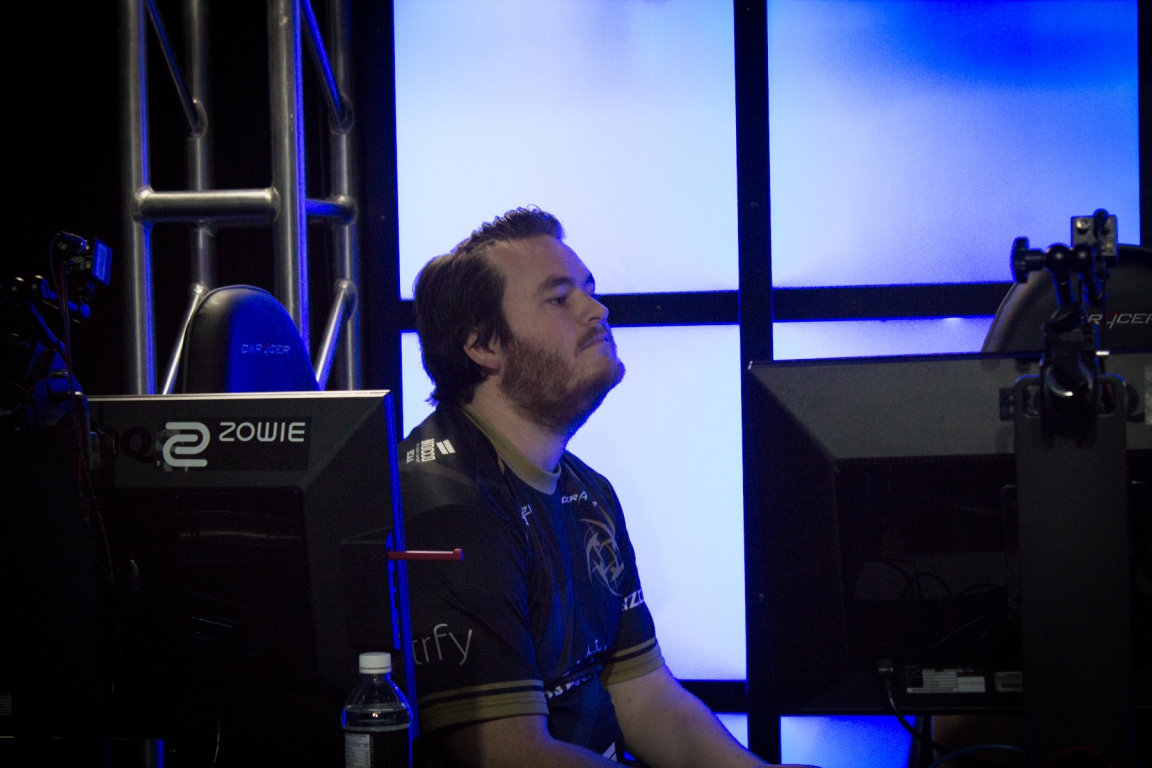
Sure, there are times where being totally overmatched in skill can lead to being blanked 13-0, and there may not be much to learn from that besides “I am not as good as those players.” That’s not a particularly fun lesson to learn, and I’ve been there a lot.
The best games for learning and improving are the ones where you’re just at the edge of your abilities. You may be getting pummeled a lot, but you’re still able to shoot back, and you make a few plays here and there. You may still have a negative K/D and lose the match, but those are the kinds of matches that can grow your game the most. Relish in them!
Start playing team CS as soon as possible
The key to accelerating your improvement as much as possible is getting onto a team. Team CS is where you truly learn how to play Counter-Strike. Things that you may take for granted in a PUG, like communication, rotation timings, and positional knowledge, are all grown and tested in a team environment.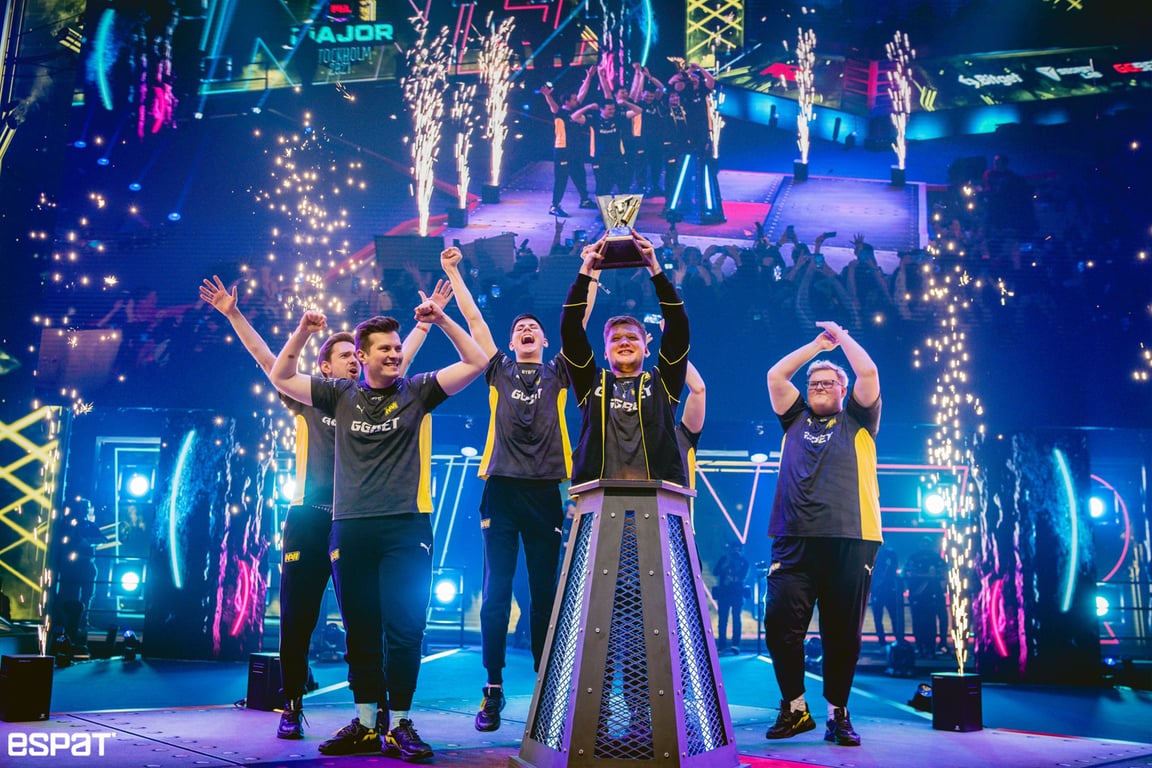
When playing a PUG, you may not have teammates who communicate consistently, and everybody is playing different positions all of the time. This hardly translates to a consistent experience and can often hamper your learning in the beginning.
From 2013 to 2016, I wasn’t playing on teams, and I wasn’t improving much. I maybe climbed a letter rank in ESEA PUGs, and maybe a few ranks in matchmaking, but the real improvement started coming once I joined a team. Having a spot I could learn and play consistently night after night allowed me to master maps in sections. Joining new teams and climbing league levels meant I had to learn new positions, which came easier because of previous experience. The skill snowball can start rolling quickly for a novice player once they join a team.
The best practice is playing the game
If there’s one thing all great players have in common, it’s that they all have plenty of hours recorded. Upwards of 10,000, if you’re talking about the pros. How you spend that time is important, though. Playing matches and scrimmages is good, but practice is also key to improvement.
With Refrag, you can ensure all aspects of your game are getting the training they need. Refrag Coach spells it out for you, analyzing your demos and formulating a training plan that ensures you’re not spinning your wheels aimlessly in deathmatch. Spending practice time wisely can give you an edge on your opponents, and there’s no better way to ensure you’re doing just that.
Recommended Posts
 Samuel Allen
BLAST.tv CS2 Austin Major Playoffs Recap
 Samuel Allen


