 simba
simbaThese 3 stats are the difference between you and FACEIT Level 10
If you are sitting somewhere between FACEIT Level 5 and 8, you are in the most crowded part of the ladder. It also happens to be where most players’ improvement begins to stall out. The players around you have stopped handing you the easy mistakes you could punish at lower levels, wins get harder to earn, and Level 10 can start to feel like it comes down to natural talent you either have, or don’t.
Making that jump can be difficult, but it’s absolutely possible. Using match data pulled from all Refrag Coach users, I compared FACEIT Level 10 players against the Level 5 to 8 bracket, then sorted the advanced stats by the size of the gap between the two groups. Setting aside the all-in-one ratings like Refrag Rating, Impact, and HLTV Rating, three stats showed the widest separation, and they can tell us a lot about what you should practice.
Initial Crosshair Placement
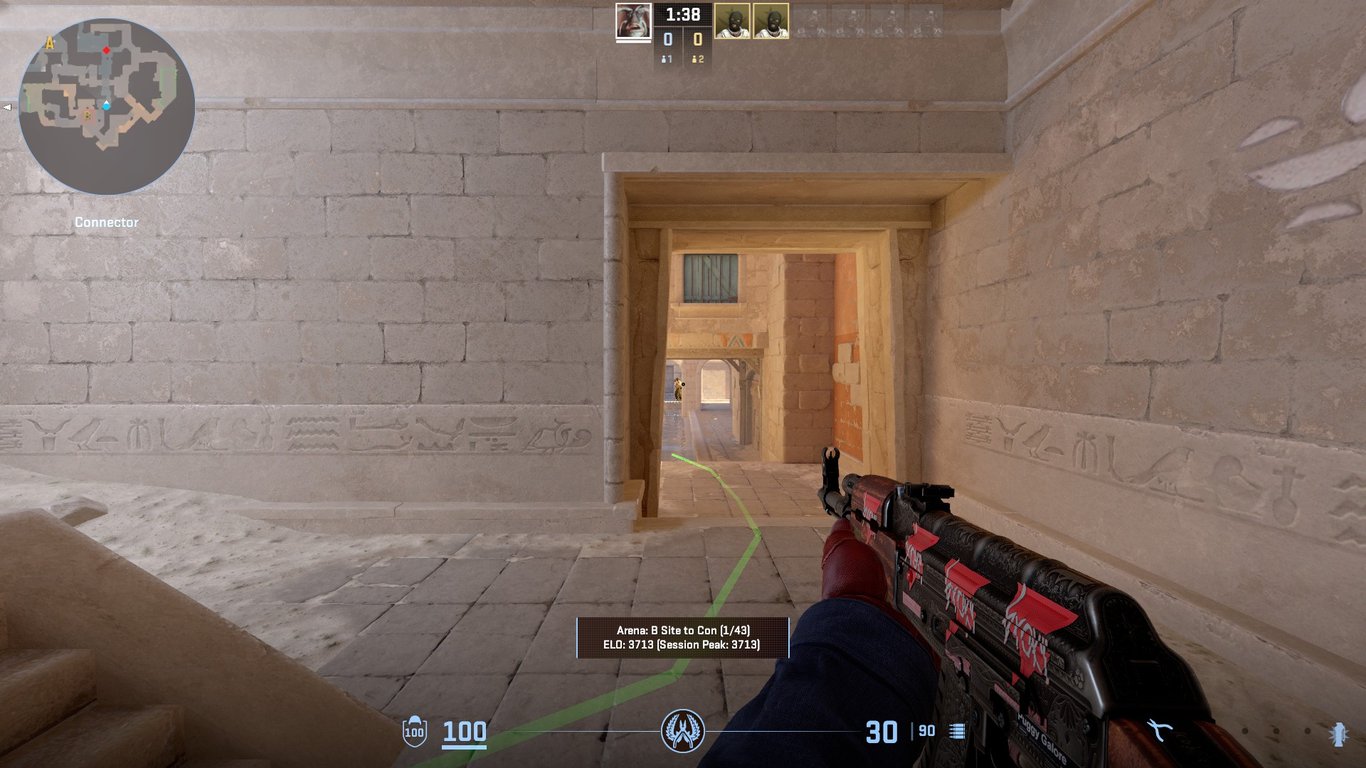
Level 10 players average 6.72 and the Level 5 to 8 bracket averages 7.46, a 9.9% improvement.
Lower is better, and this is the narrowest of the three gaps, though the percentages are a bit misleading here.
Initial Crosshair Placement tracks where your crosshair sits the moment before a duel starts, measured against where the enemy actually appears. Lower is better. A lower average means your aim is already close to head level and near the angle an opponent is about to peek, so you need a smaller correction to land the first shot. This is the skill usually called preaim, and it is the foundation almost every other mechanic sits on top of.
To train it, start with Prefire. It puts you on a set path through a map and asks you to clear every common angle, with bots placed where real opponents hold. Running it builds the muscle memory for keeping your crosshair at the right height and on the right angle while you move. Once your Prefire runs feel clean, move to Angle Trainer. It uses the same idea but randomises bot positions across more than 300 arenas on the Active Duty maps, hiding only a handful of bots in common spots so you have to clear every angle as if you’re doing it for real.
Opening Success
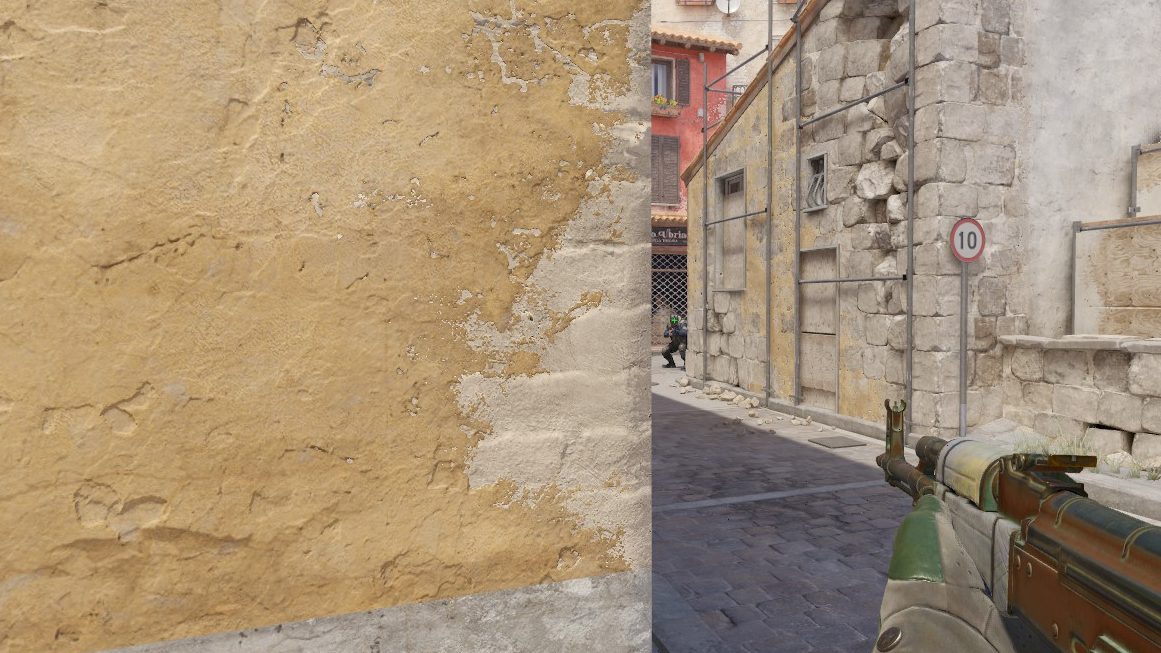
Level 10 players average 2.50 opening successes per match and the Level 5 to 8 bracket averages 2.11, a difference of 18.6%.
An opening success is winning the first duel of a round, the fight that draws first blood before anyone has died. Getting that early pick flips a round in your favor. Having a man advantage on the T side has obvious benefits: less defenders to thwart a bombsite approach is positive. On the CT side, you don’t necessarily set the pace by getting the opener, but it’s indicative of a successful round regardless.
Level 10 players win these fights more often, round after round, and across a full match that edge compounds into a real scoreline difference.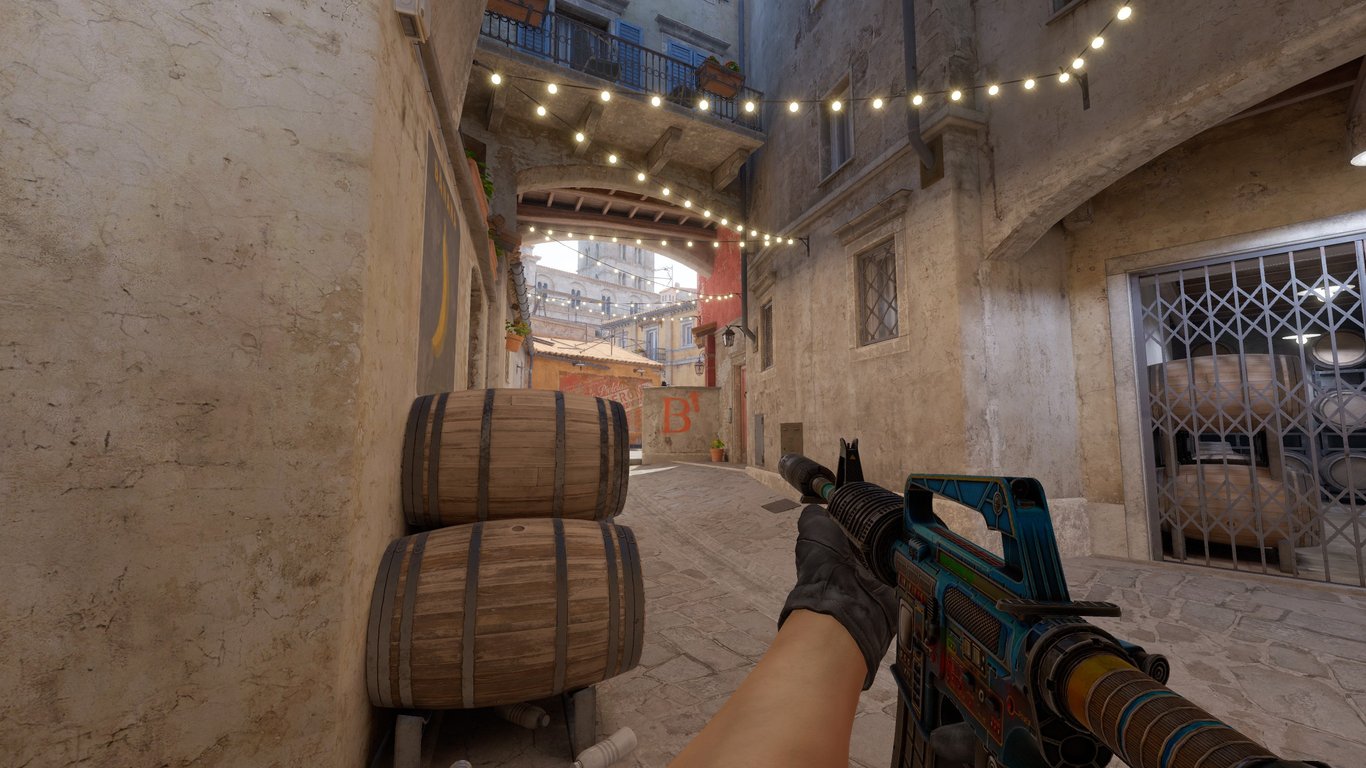
Opening duels are decided in a fraction of a second by your reaction speed, the angle you choose to take, and whether your crosshair was already placed. Winning more of them is less about out-aiming someone in a drawn-out fight and more about being prepared the instant contact happens. Opening frags take place at similar points on the map in every round at every skill level. These are your A Ramp picks on Mirage, your frags at the corner of A Long on Dust2, your AWP duels in Middle on Inferno. Getting really good at taking those fights is key to gaining elo, and that’s supported by the numbers.
Crossfire is built for exactly this. Bots peek you from realistic, common angles, which forces the fast reactions and micro-adjustments that opening duels demand, and the difficulty scales with your skill when Smart Mode is on. To push it further, use Xfire, which blends Crossfire’s reactive peeks with Prefire’s pathing. Instead of standing still and reacting, you clear a route while live threats appear, which is much closer to how an opening duel actually unfolds when you are pushing for space rather than holding it.
Trade Kill Success
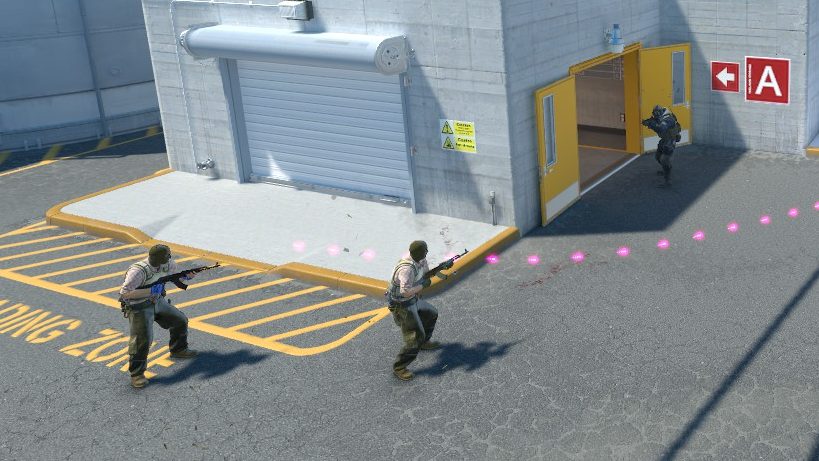
Level 10 players average 2.43 trade kills per match and the Level 5 to 8 bracket averages 2.03, a difference of 19.8%.
A trade kill is when a teammate dies and you immediately kill the player who killed them. Trading turns a lost duel into an even exchange and denies the enemy a free pick. The data puts this at the top of the list, which means the clearest thing separating Level 10 from your bracket is not who wins the first fight, but who makes the enemy pay for winning it.
Trading is part positioning and part reaction. You have to be close enough to your teammate to follow up, you have to expect the trade before it happens, and you have to react quickly to an opponent who has just won a duel and is often exposed, reloading, or, at a minimum is readjusting their aim. It is also the skill that solo aim practice does the least to build, which helps explain why the gap stays this wide even at the intermediate levels.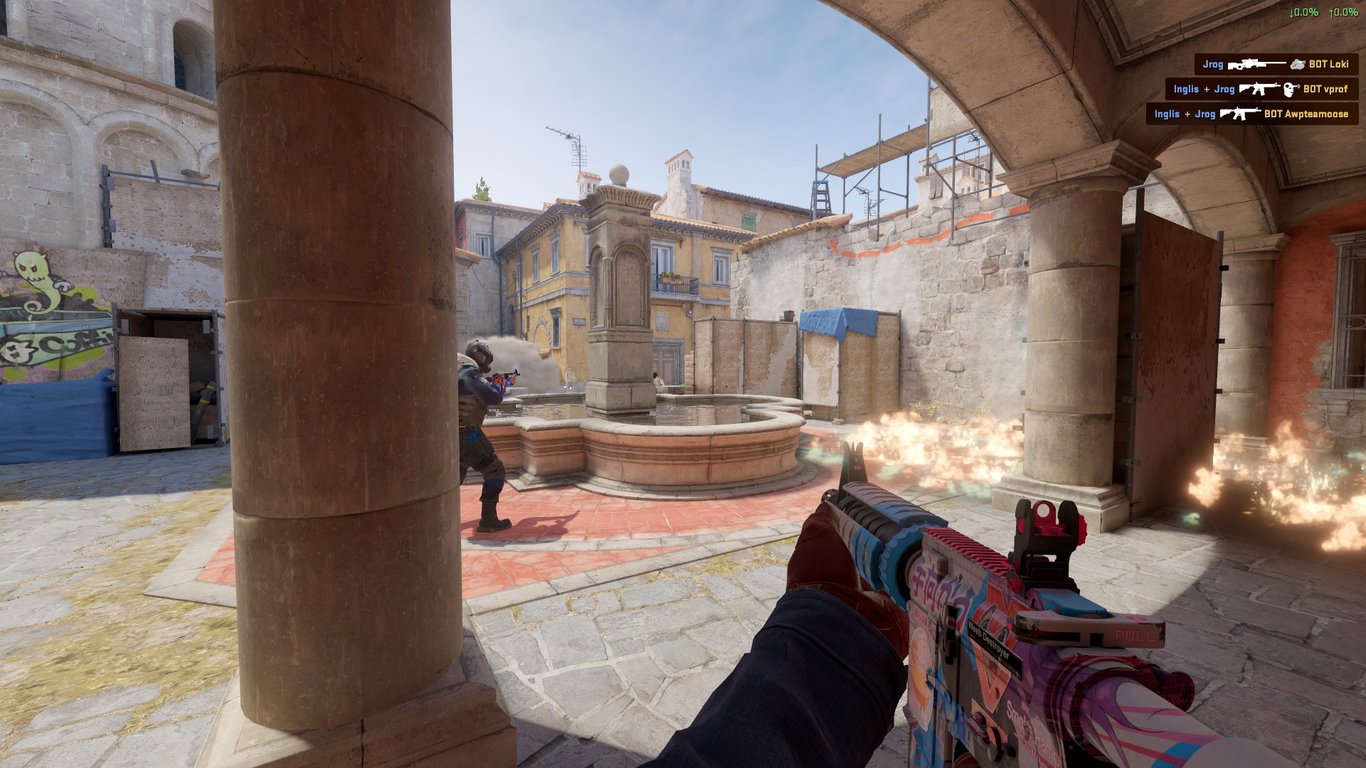
Because it depends on a teammate being there, trading is the hardest of the three to replicate alone. It’s less of a mechanical skill and more of a mental one. Positioning yourself well and knowing how to follow up on a teammate is largely learned through repetition, and that’s most easily found when playing in an organized team setting. Signing up for ESEA League and playing in a proper team will help create the proper conditions for improving at these position-based skills.
Closing the gap
The pattern across all three stats is the same. Level 10 is built on winning the duels that decide rounds and making sure no fight goes unanswered, underlined by great crosshair placement. Most of these things are habits, and they can be improved upon with ample practice.
The catch is knowing which of the three is holding you back most, and it is often not the one you would guess. That is exactly what Refrag Coach is for. It imports your Premier and FACEIT match history, finds the weak points in your play, and points you to the training mode built to close that specific gap. So instead of guessing whether trading, opening duels, or placement is your weakest link, you get the answer from your own matches, along with a routine to work on it.
New to Refrag? Refrag Coach and every mode mentioned here come with any subscription, and you can try them for free for 3 days with code playsmarter3.
Recommended Posts
 Samuel Allen
What To Expect From The IEM Cologne CS2 Major – Playoffs
 Samuel Allen


